
Your Cart is Empty

- Our Services
- Shop Personalised Frames
- Corporate & Award Framing
- Gallery
- About Us
- Contact Us
- Visit Us
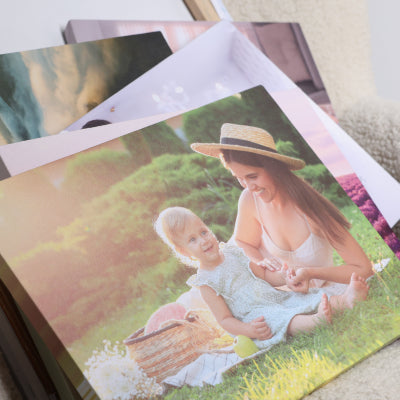
If you’ve ever wondered how to stretch a canvas, the process involves mounting a printed or painted canvas onto a strong wooden frame so it sits smooth, tight and ready to display.
Canvas stretching is the step that turns a loose piece of printed fabric into a finished artwork. The canvas is carefully tensioned around timber stretcher bars, creating the flat, gallery-style appearance you see in homes, galleries and studios.
When stretched correctly, the artwork sits evenly across the frame without sagging or warping. This not only improves how the piece looks on the wall but also helps preserve it over time.
As canvas prints continue to grow in popularity across Perth homes, understanding the stretching process can help you make better decisions about how your artwork is finished and displayed.

A canvas may look simple, but stretching it correctly requires experience and the right materials.
Without proper tension and support, canvases can develop wrinkles, ripples or uneven edges. Over time, low-quality frames may even bow or warp, causing the artwork to lose its shape.
Professional canvas stretching ensures:
The canvas surface is smooth and evenly tensioned
The frame is strong enough to support the artwork
The image remains aligned and balanced
The artwork is prepared for long-term display
For many people, canvas prints capture meaningful memories such as wedding photos, family portraits or favourite travel moments. Making sure the canvas is stretched properly protects those memories and allows them to be displayed with confidence.
Many people start with a favourite photograph that will later be printed on canvas.
Popular canvas images include:
Wedding and engagement photos
Family portraits
Baby and children’s photography
Travel and landscape photos
Pet portraits
Artwork and paintings
Where the canvas will be displayed often influences the choice of image. Large family photos tend to work well in living areas, while scenic travel photography can create a beautiful focal point in bedrooms or hallways.
One important factor to consider is image resolution. Canvas prints are typically larger than standard photographs, which means the original image needs to be high quality to avoid pixelation or blurring.
Once the image is chosen, the next step in the canvas stretching process is determining the size of the canvas.
Canvas prints come in many formats, including:
Square canvases
Landscape canvases
Portrait canvases
Multi-panel canvas displays
The size you choose should suit both the image and the wall space where the artwork will be displayed.
For example:
Wide living room walls often suit landscape canvases
Narrow wall spaces work well with portrait canvases
Sets of smaller canvases can create a gallery-style arrangement
Larger canvases naturally create more visual impact, but they also require stronger stretcher bars and careful stretching techniques to maintain stability.
Because stretching costs are typically based on the canvas size, it can also be helpful to confirm stretching options before ordering the print.

While some printing companies offer stretching as an add-on service, canvas stretching is traditionally handled by professional picture framers. Framers specialise in preparing artwork for display and understand how different materials behave over time.
Professional framers use specialised tools and techniques to ensure the canvas is tensioned correctly and secured to a strong frame.
Working with a local framing studio also allows you to:
Inspect the quality of stretcher bars
See examples of finished canvases
Receive expert advice on display options
This level of care is particularly important for large or sentimental artworks.
The stretcher bar is the wooden structure that supports the canvas from behind.
A high-quality stretcher bar is essential for maintaining the shape of the artwork. These bars are designed specifically to handle the tension created during the stretching process.
When a canvas is stretched correctly, the fabric is pulled tightly across the frame and secured along the back edges. The tension should be firm and even across the entire surface.
Professional stretching methods use staples to secure the canvas to the stretcher bar rather than glue. This approach allows the canvas to be adjusted or re-stretched in the future if needed.
Cheap or poorly made frames can cause problems over time. Thin timber may bend under pressure, which can lead to visible ripples in the canvas.
Choosing strong stretcher bars helps ensure the artwork remains smooth and stable for many years.
Once the canvas has been stretched, the final decision is whether to display it on its own or add acustom frame.
Many people choose to hang stretched canvases without an additional frame. This creates a clean, contemporary look where the artwork wraps around the edges of the frame.
However, adding a frame can enhance the presentation even further.
Floating frames, also known as L-bar frames, are specifically designed for stretched canvases. These frames sit slightly away from the canvas surface, creating a subtle gap that gives the artwork a floating appearance.
Floating frames are popular because they:
Add depth and definition to the artwork
Create a gallery-style finish
Hide any unfinished canvas edges
This small design detail can transform a simple canvas print into a more polished and refined display.

Stretching a canvas involves carefully balancing tension, alignment and structural support. Even small mistakes can affect how the artwork looks on the wall.
Professional stretching ensures the canvas remains smooth, the image stays centred, and the structure behind the artwork is strong enough to last.
At Portfolio Picture Framers in Myaree, canvas stretching is completed in-house using carefully selected stretcher bars and professional techniques. With more than three decades of experience in custom framing, our family-run team works with artwork, photographs and memorabilia from across Perth.
Every piece is treated with care so your memories and artwork can be displayed beautifully for years to come.
Yes. Most canvas prints are produced rolled and then stretched afterwards. Professional framers mount the canvas onto stretcher bars so it sits smooth and ready to hang.
Not always. Many stretched canvases are displayed without an outer frame. However, floating frames are a popular option because they give the artwork a clean, gallery-style finish.
A properly stretched canvas should feel firm and evenly tensioned across the surface. Professional framers carefully balance the tension so the canvas stays smooth without damaging the artwork.
Professional picture framers usually provide canvas stretching services because they have the tools and materials required to mount the artwork correctly.

If you’ve recently printed a canvas or have artwork waiting to be displayed, professional stretching is the step that brings it all together.
A properly stretched canvas sits flat, holds its shape and presents the artwork exactly as intended.
If you’re unsure about the best way to finish your canvas, you’re always welcome to contact us or visit our studio in Myaree. Our team can guide you through the canvas stretching process and help you choose display options that suit your home and style.
Because when it comes to displaying meaningful artwork, the details make all the difference.